|
NOTE:
You have reached an information page.
To view
product prices visit our store at
Seedland.com |
|

ORDER
ONLINE |
PHONE ORDERS:
PHONE
Phone Business hours - Mon-Fri. 9-5 EST ONLY - Contact via
Email
 |
|
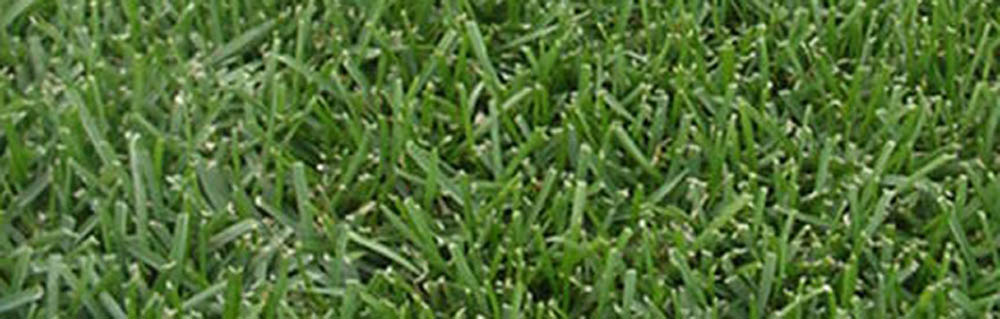
Cheyenne "Improved Forage
Type"
Bermudagrass from Seed
Cynodon Dactylon

|
CHEYENNE II
BERMUDA
Plant: 15 lbs. / Acre
(Hulled / Coated Seed)
|
 |
Need Cheyenne? Cheyenne is such a
popular seeded variety that the seeds available often sell out.
Make sure you purchase your seed early for planting in spring &
summer.
READ MORE ABOUT
CHEYENNE & CHEYENNE II
at Bermudagrass.com
Including yield comparison information.
This grass is for pasture grass use for grazing and for hay
production.
Safe for horses and cattle!
TYPE
Warm season perennial
ADAPTATION
Across the southern 1/3 of the U.S. from California to Virginia. Particularly well suited to sandy soils
but will thrive in most well drained loam soils.
|

Cheyenne Bermuda |
CLICK FOR AVAILABILITY
OF PURCHASING
CHEYENNE II
BERMUDA SEED
FROM
SEEDLAND.COM
"Certified Seed!" |
READ MORE INFORMATION ON
CHEYENNE
& CHEYENNE
II :
Cheyenne is a Yield Up brand because its tremendous hay yields,
outstanding palatability and excellent leaf to stem ratio.
Cheyenne is a certified variety that is guaranteed not to revert
back to common. Cheyenne seed gives you greater flexibility in
your planting schedule and approximately 300 times more plants per
square foot than sprigs! Seeded Bermudas generally can
establish faster than sprigged Bermudas.
USES
Cheyenne CAN be used for both grazing and hay production throughout the spring and summer
months. Under good management practices it will produce excellent quantities of high quality forage.
NUTRITION
With good management it can produce Crude Protein levels of 8-16%; TDN of 55%. Nutritional
quality is a function of environmental conditions and management practices.
PLANTING:
Rate: 15 lbs. per acre
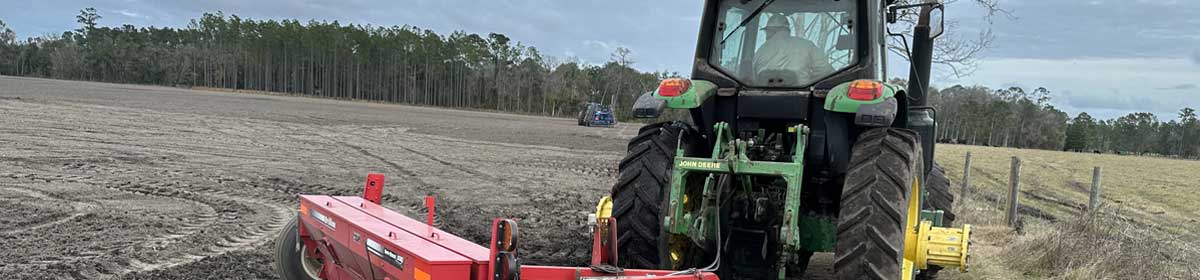
drilled or broadcast.
Depth: Plant no deeper than
1/4
inch. On heavy sols plant to 1/8 inch... lighter
soils 1/4 inch maximum.
Date: Late spring through early summer when soil temperatures are
60-65° F or above.
PLANTING MANAGEMENT:
Plow and cultipack to
develop a firm seedbed. Firmness is indicated by a heel print no
more than 1/8"
deep in the soil. Broadcast seed and cultipack again to insure good
seed-soil contact. Lime soil to 6.0 and follow soil test for N-P-K.
When new plants begin to run (spread), apply 50-60 lbs. of nitrogen
per acre.
GRAZING &
MANAGEMENT:
Apply 20-30 lbs./acre nitrogen at planting time. To establish,
delay grazing or hay cutting until forage is 8" to 10" tall. Do not
graze or clip for hay shorter than 2". Rotate animals more often
during periods of drought stress. During establishment, weed and
crabgrass competition must be controlled by clipping (mowing)
or flash grazing.
FERTILIZATION:
After the stand is
established, apply 70-100 lbs. of nitrogen per acre after each
cutting of hay. If grazed, apply up to 150 lbs./acre a year in split
applications throughout summer. Last fertilizer application each
year should be done 4 to 6 weeks before a killing frost to increase
cold tolerance.
Cheyenne is coated
with Pennington’s exclusive Penkoted® seed process, which gives your
seed an advantage over uncoated seed. The Penkoted® seed process
literally seals each seed inside a layer of material containing a
specific fungicide, a natural insecticide and a growth stimulant.
These ingredients are vital in protecting the seed in the ground,
guaranteeing better drought tolerance and increased survivability.
Penkoted® seed develop longer, stronger root systems thereby giving
you a thicker, healthier stand of grass.
|